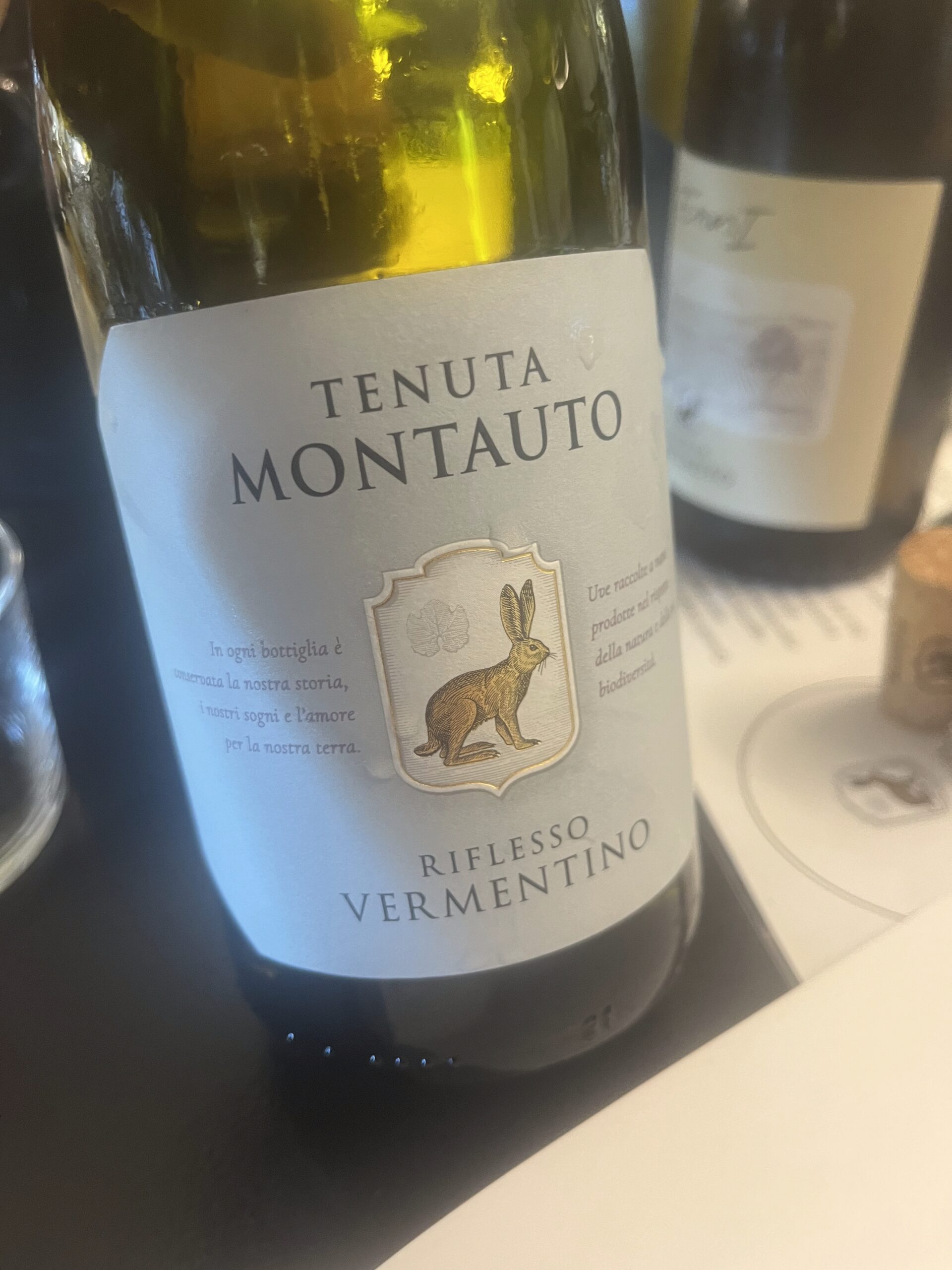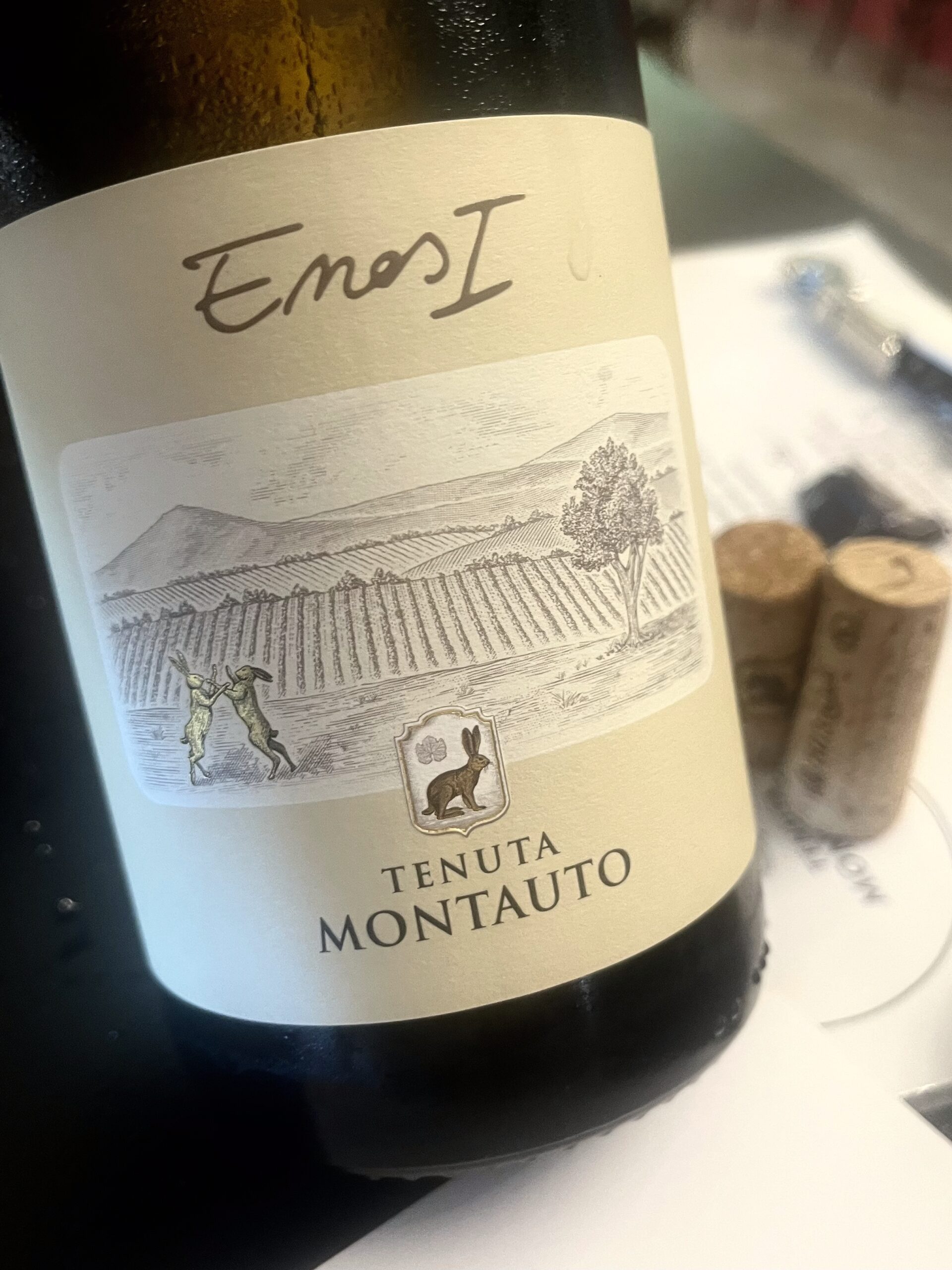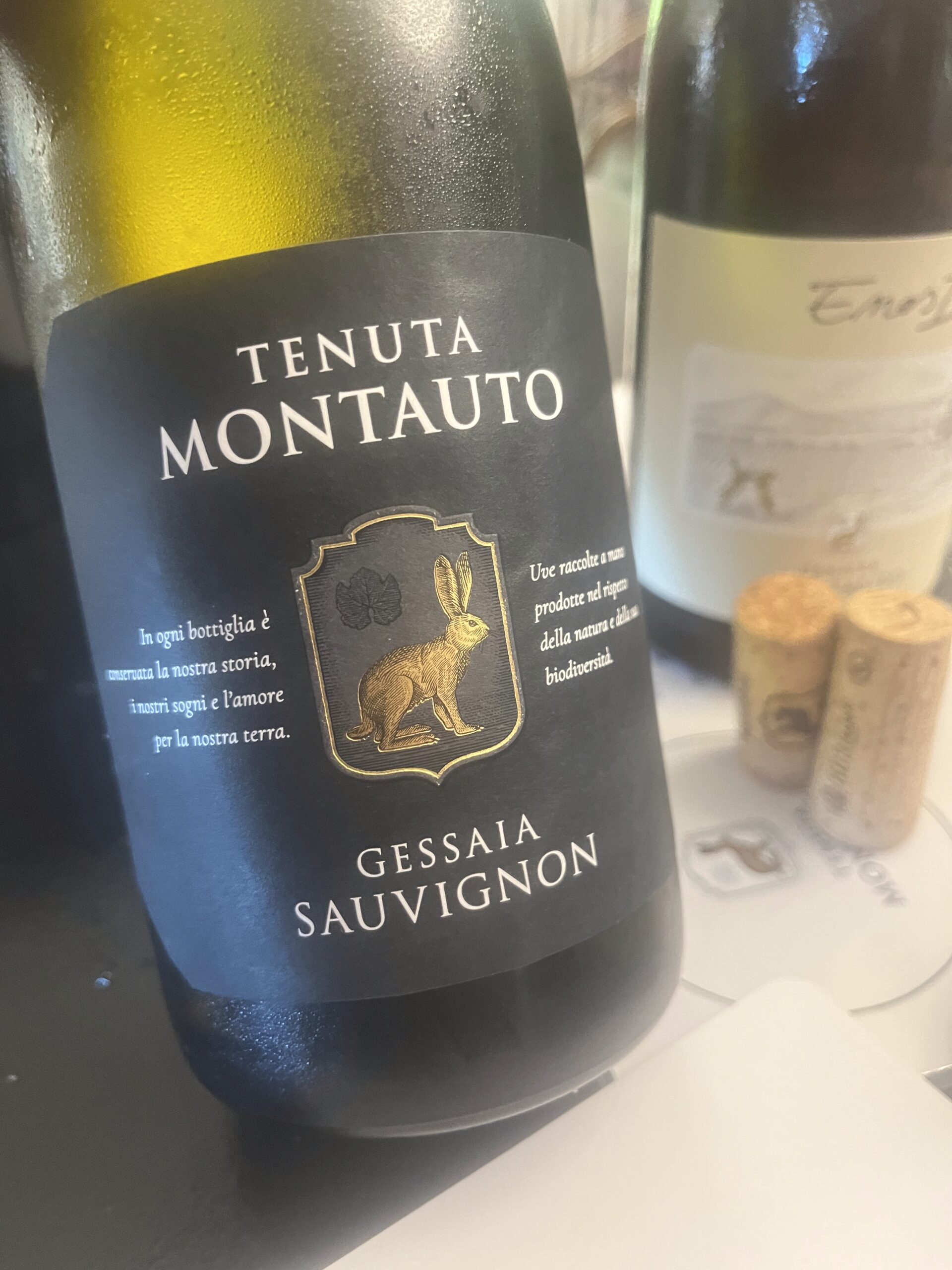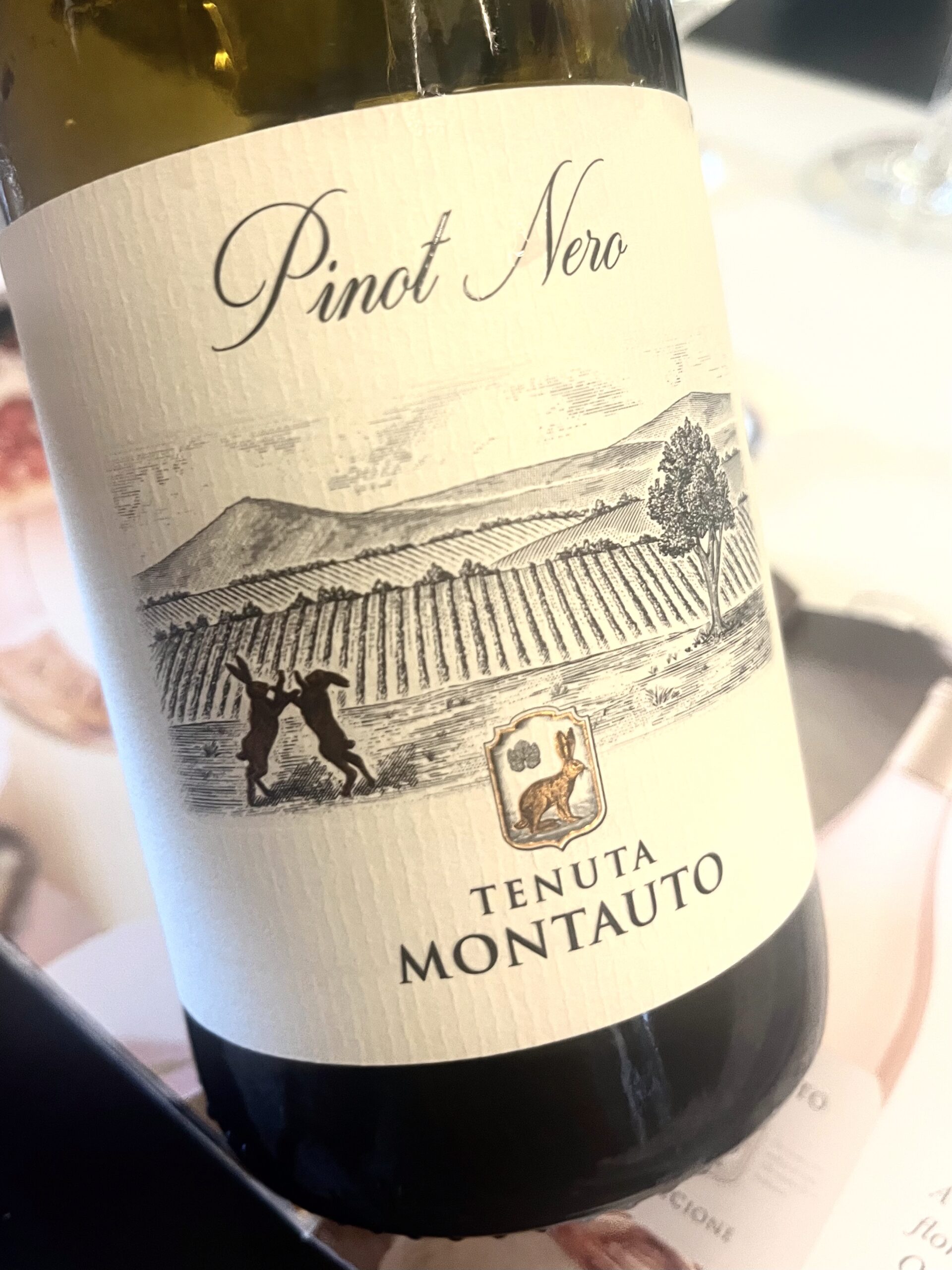
Gambero Rosso in Amsterdam, door Claire Mumford
March 23rd saw the return of Gambero Rosso, producer of the annual wine guide Vini D’Italia, to our capital city. The location for the showcase event was H’ART Museum, a suitably characterful and stately location in the heart of Amsterdam. Organisation was in the hands of Melman Communications.
Guided tastings
The day kicked off for a select audience of professionals with ‘Italy in a Nutshell’, a comprehensive presentation by wine writer and journalist Marzio Taccetti, comprising a tasting tour through the myriad of wine-producing regions that form the backbone of Italy’s rich gastronomic culture. From Valle D’Aosta in the mountainous alpine north to Etna’s southerly volcanic slopes, the identity of Italy represented through its hugely diverse people and their produce was the core theme. Taccetti: “Italy is not just a country of wine, but a mosaic of tradition”. Each region strongly identifies with the grape varieties it cultivates and the manner in which wines are produced, and with over 600 varieties (and countless clones) this is inevitably highly varied.
Character
As we move around the country, the characteristics of each region are explained. The wines selected to illustrate were exemplary, from crisp, oyster-shell Franciacorta and classically sanguine Brunello di Montalcino through to deeply-coloured, cocoa nib and plump blackberry Primitivo. Taccetti places emphasis on quality Prosecco, still suffering largely, and in many cases unjustly, from the large-volume production dominating the market, and also notes that there is increasing interest in lesser-known traditional method sparkling wines alongside Franciacorta, such as Alta Langha, which he describes as having ‘electric’ acidity and tense minerality.
Red versus white
Taccetti is also keen to stress that the cliché of fresh and precise northern wines and heavy, alcoholic southern wines is simple and outdated; Italy is as much in flux as any other wine-producing country, responding and adapting to both climate and market demand. In the context of the current lean toward lower alcohol consumption, our speaker references sweeter styles of sparkling wine, such as Moscato d’Asti: at around 5% abv, such wines appeal to a health-conscious demographic and have gastronomic potential. The number of white wines in the tasting gave rise to the question: how are producers in general responding to the increased demand for white wine, in a country mostly known for its red wine production? Taccetti confirms white production is noticeably on the increase, citing Etna whites as ‘booming’, and most recently (as of end of 2026) a new IGT appellation for metodo classico sparkling wine in Tuscany.
Umbria
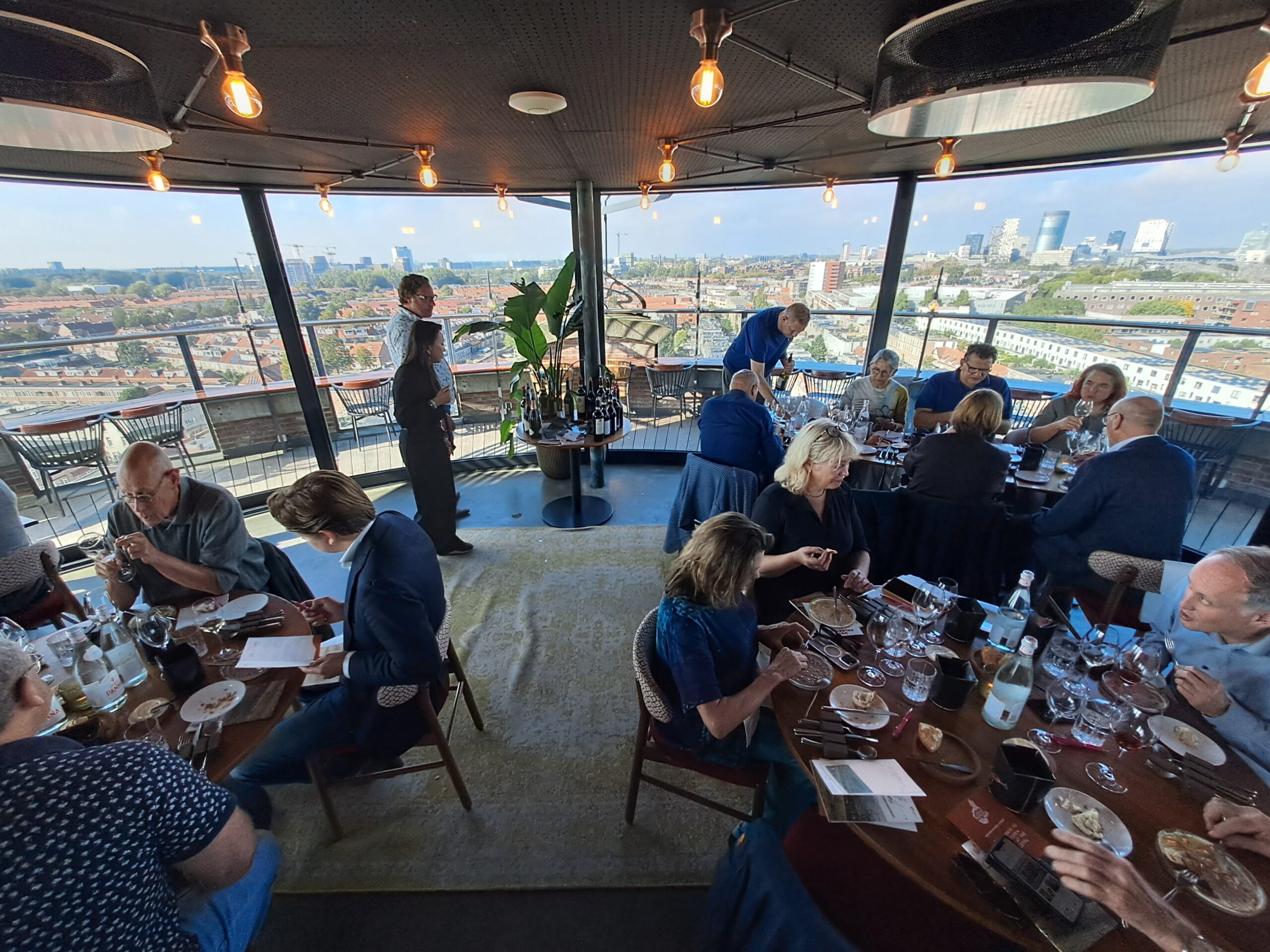
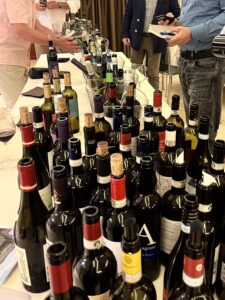
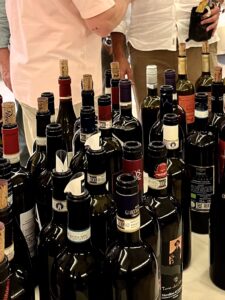
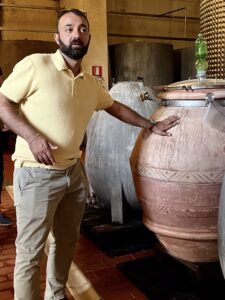
A walk-round tasting followed. Many producers are experimenting in a way that could equally be defined as either modern or ancient, the foremost example of this being the use of amphoras. Umbrian producer Argillae is based north of Orvieto and the wines are made by Giulia Di Cosimo, present at the event. The clay from which their amphora are crafted is sourced locally, which lends additional weight to the concept of terroir in her Primo d’Anfora wines. Argillae employs sustainable farming methods and renewable energy sources, modern terms for the ancient principles of pre-industrial farming. In the Orvieto Classico Superiore Panata 2022 I found enticing aromas of white flowers, yellow peach, almond and marzipan, these aromatics enhanced by a short period of cool maceration before fermentation. The whites are in the main blends of Grecchetto, Malvasia and Trebbiano, with some Pinot Blanc. They are fresh and lively in style, and carry the weight and intensity that often results when old vines are farmed respectfully.
Alto Adige
Eisacktal (South Tyrol) producer Gump Hof is a small family-owned winery, with Markus Prackwieser as the current generation winemaker. The old winery building is carved from the volcanic bedrock on whose cool Alpen slopes the farm nestles. Of the 3 wines on show, I found the Alto Adige DOC Sauvignon Blanc Riserva ‘Renaissance’ 2022 particularly intriguing, with a somewhat shy, smoky nose, later revealing blackcurrant leaf, yellow fruits and lime peel.
Le Marche
From the Marche, producer Podero Mattioliis is best known for championing Verdicchio, and the two wines on show today are bursting with vitality and freshness. Verdicchio dei Castelli di Jesi Classico Superiore Ylice 2024, aged 10 months on lees with bâtonnage, displays vibrant citrus and herbal notes. The racy Castelli di Jesi Classico Lauro Riserva 2022 is a stunning wine, exploding with intensely concentrated yet perfectly poised fruit.
Piedmont
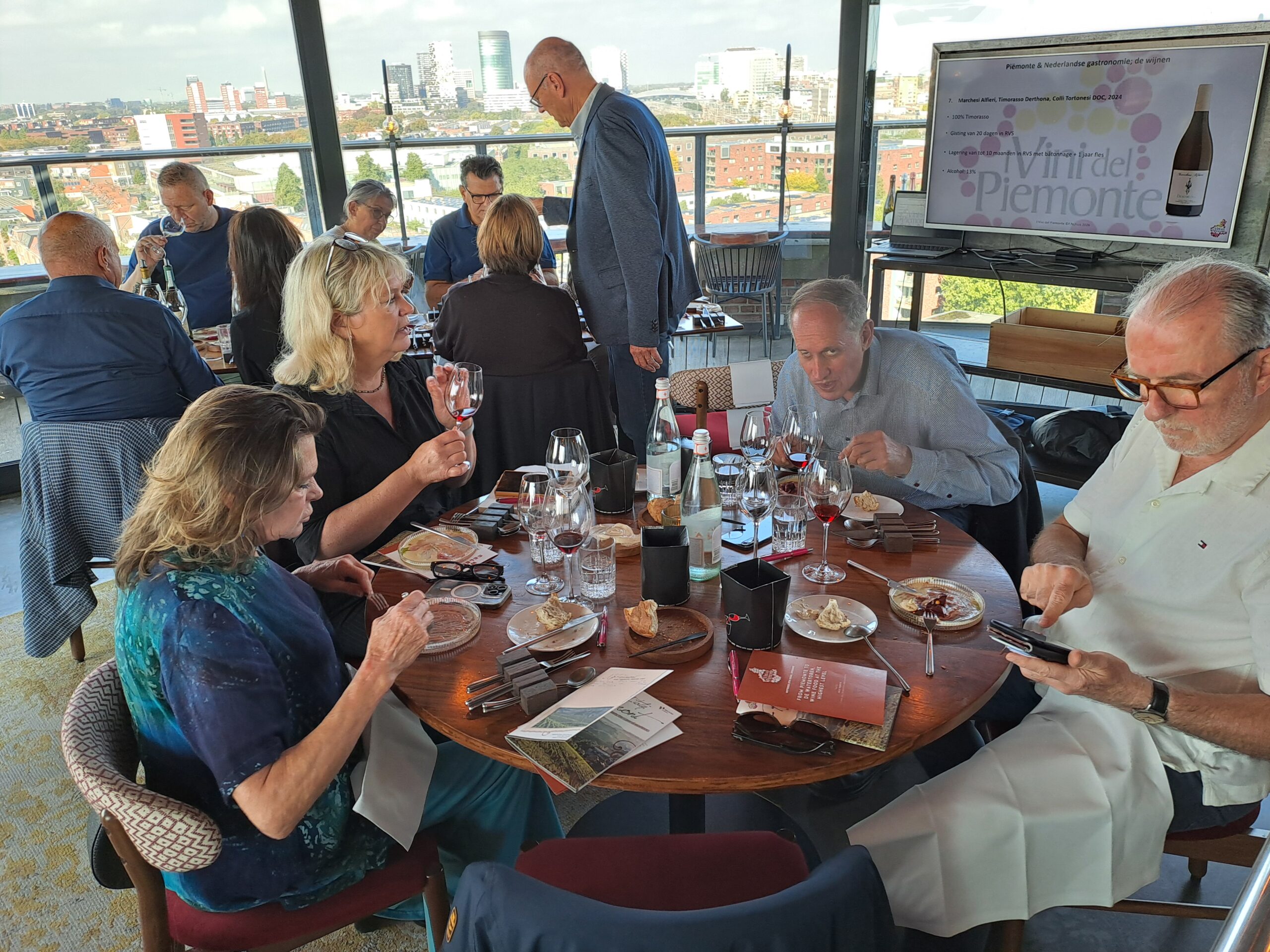
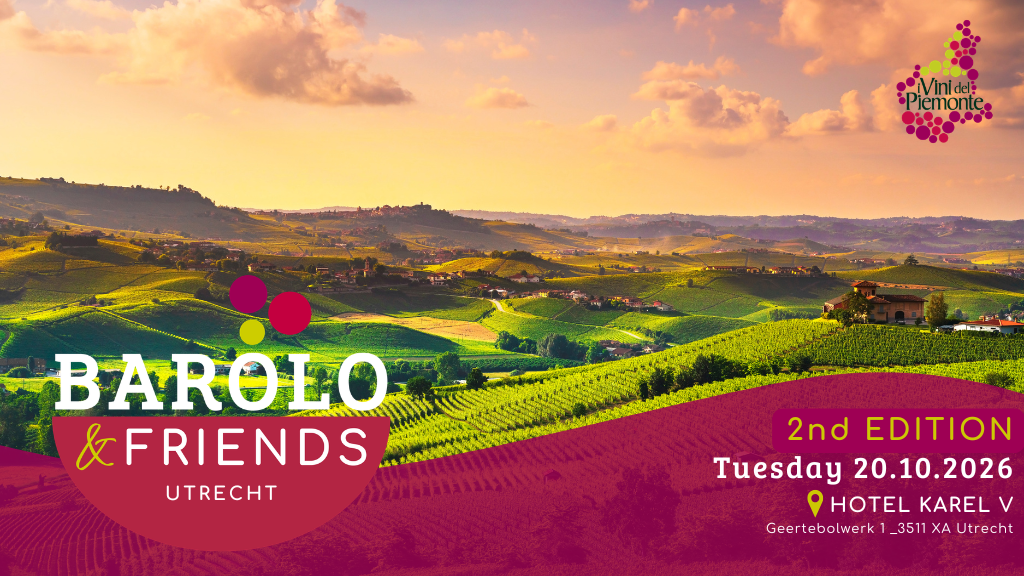
And so to Piemonte. Third generation winemaker Guido Porro was present at the tasting to talk about his Barolo wines and the topography of Serralunga d’Alba, where the winery is based. Nebbiolo is king here, with Barbera and Dolcetto in the supporting role: no whites. The Lange Nebbiolo 2024 is a fresh red cherry delight, supremely drinkable, with an attractive grippiness that often results from time spent in concrete. Barolo Vigna Lazzairasco 2021 presents a charming kaleidoscope of dried petal and potpourri characters, underscored by saline notes and fresh acidity. Barolo Vignariondo 2018 displays beautifully fragrant aromas of desiccated red fruits and rose petal, with powerful depth of concentration, elegance and balance.
Bicchieri
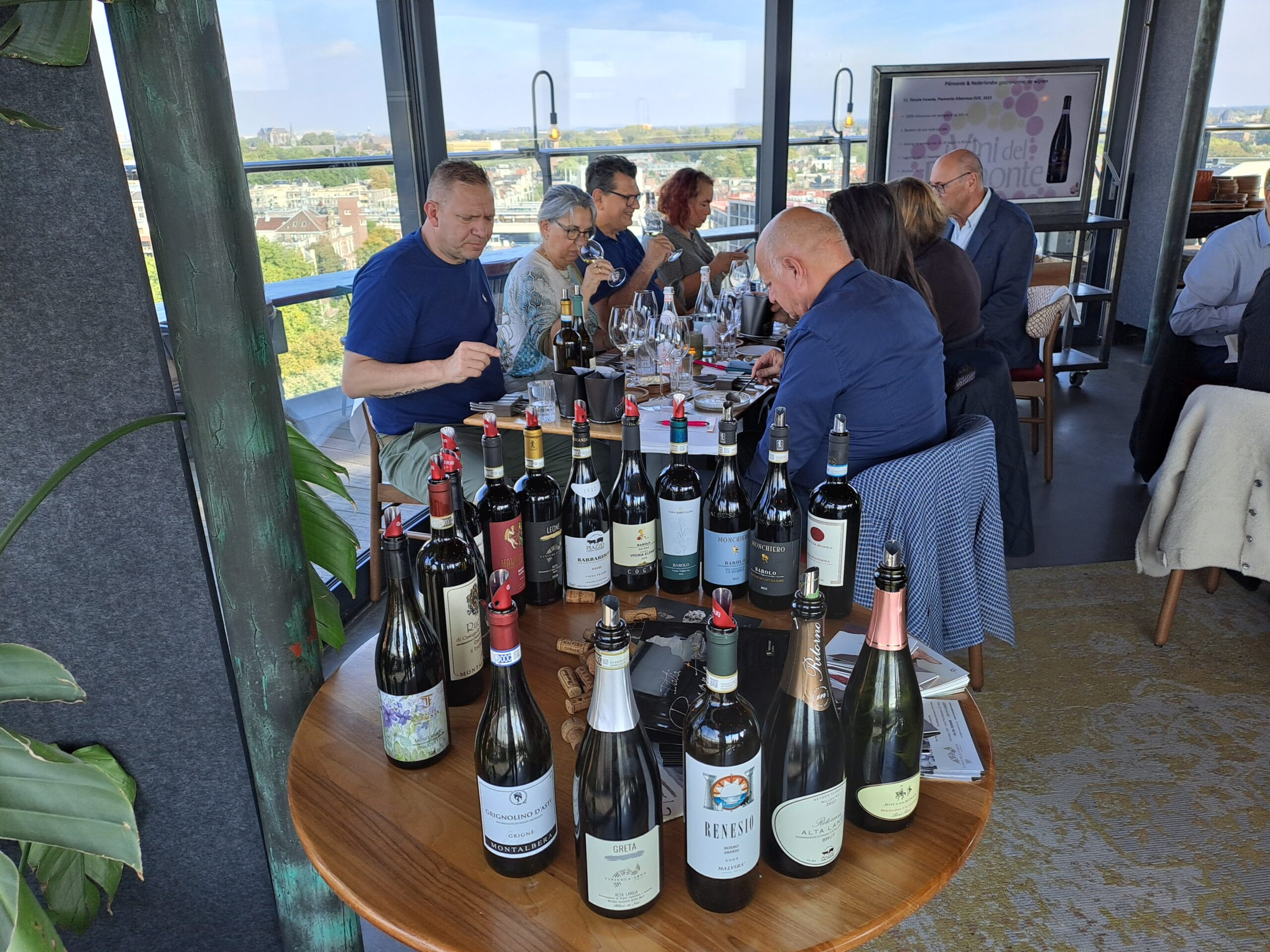
The Vini D’Italia guide appears annually; a significant undertaking. Unlike many international scoring systems, judged wines are not awarded points, but are ranked in bicchieri – or (wine) glasses – with the highest score being three, or tre bicchieri. The wines are always tasted blind, with initial regional judging heats culminating in a final tasting in Rome. In Amsterdam, the wines on show from selected producers around Italy – a number presented by the winemakers themselves – gave a broad overview of the diversity and quality being produced in Italy today, and included many tre bicchieri wines.
Balance
I am reminded of an English saying: If it ain’t broke, don’t fix it. Certainly many classic, fine examples of the excellence that defines the very best of Italian wine were represented at this event. Having said that, current times do demand adaptation, and pockets of innovation were evident. There was a marked increase in lighter, fresher wines and a diversification of technique most specifically for whites, mirroring wider trends. For a wine-producing country steeped in centuries-old tradition and an often bemusing array of appellations with complex wine laws, it would seem that Italy is embracing evolving challenges, whilst staying true to its winemaking heritage – a tricky balance. It is precisely the strength that tradition and generational wisdom bring to this particular scenario that can make the difference in a changing wine world.
Restaurants
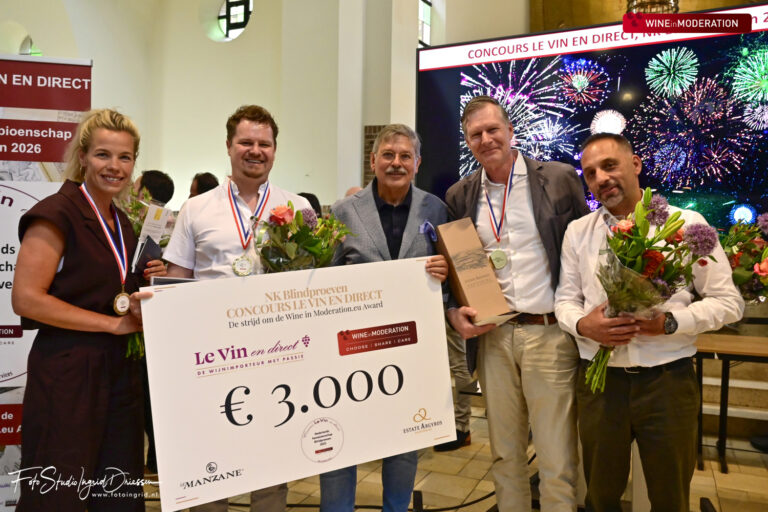
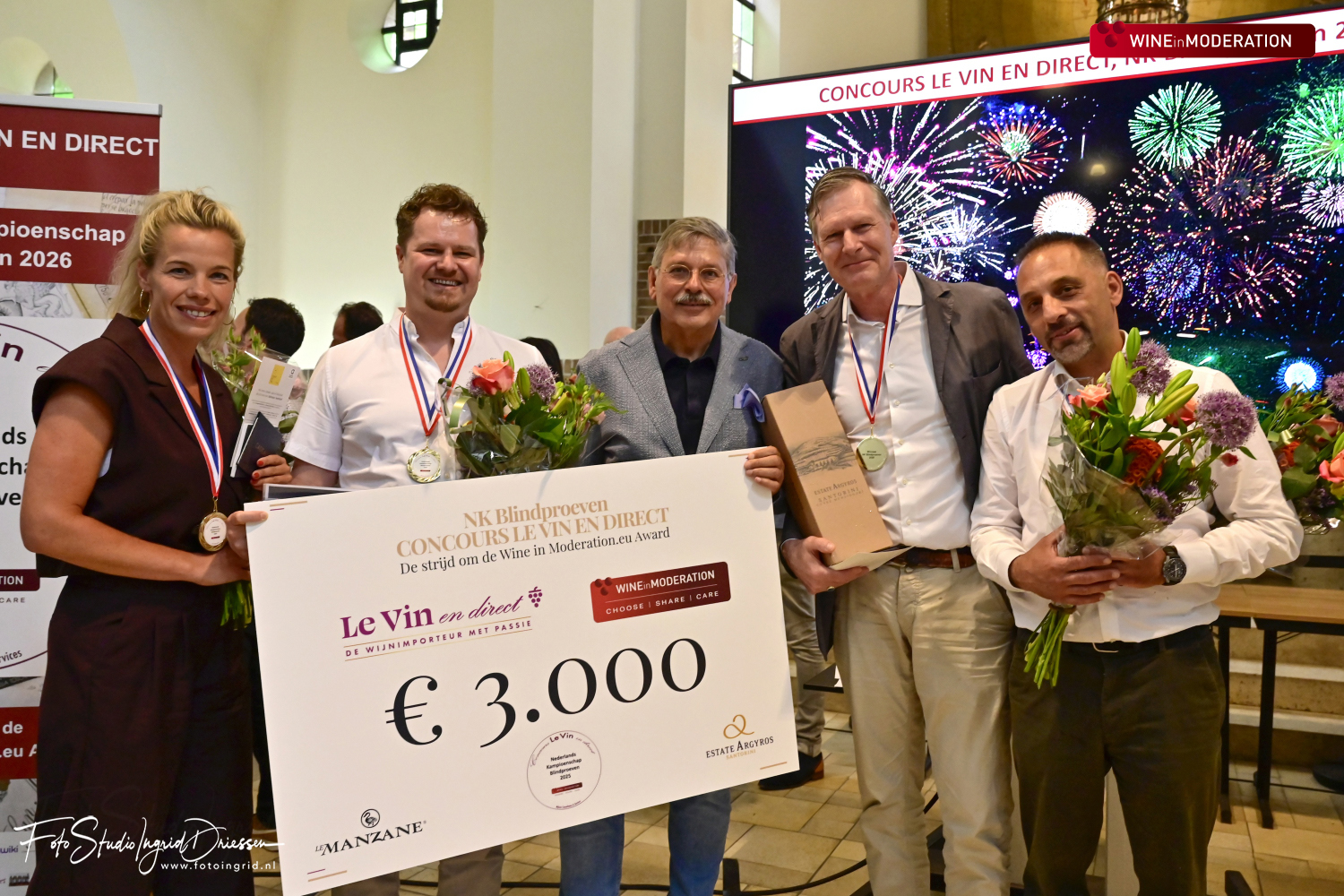
The afternoon saw the presentation of numerous awards to Italian restaurants in Amsterdam; Planeta Terra came out on top with a rating of three forks, closely followed by Toscanini, Tozi and La Fiorita with two. Also recognised were Demetra, Insieme and Trattoria Trullo. Tribute was paid to the quality, vibrancy and diversity of the Italian Restaurant scene in Amsterdam.
Foto’s: Fotostudio Ingrid Driessen, muv eigen foto’s Claire Mumford in vierluik.